
Car & Automotive Trends You Need to Know Now
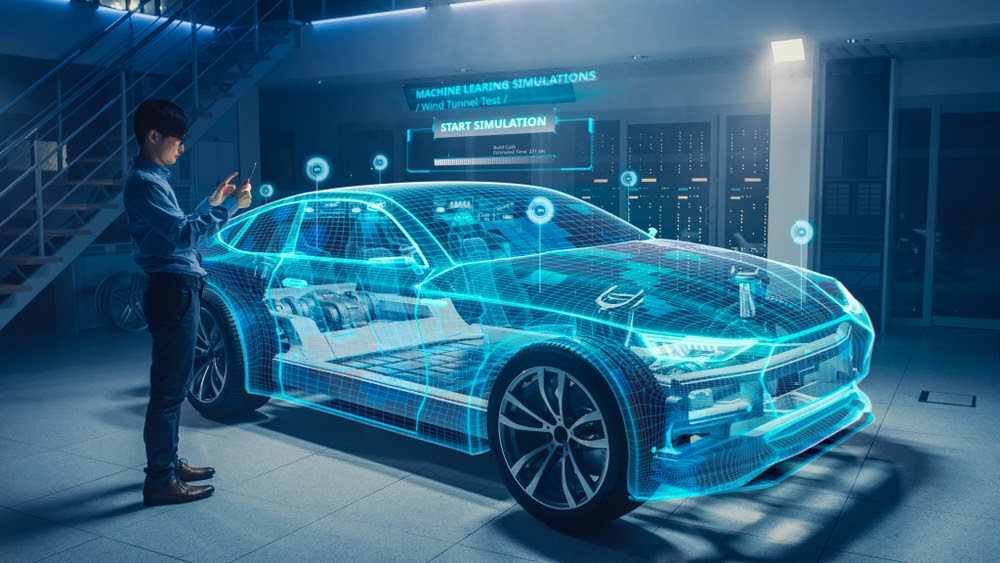
The automotive world is evolving faster than ever before, with new technologies, styles, and innovations changing the way we think about transportation. Whether you’re a car enthusiast or just someone looking to keep up with the latest developments, understanding the latest car trends is essential. From electric vehicles (EVs) to autonomous driving, the future of the car industry is anything but ordinary. Let’s dive into the automotive industry insights that are shaping the future of driving.
1. Electric Vehicles are Dominating the Market
One of the most significant shifts in the automotive world today is the rise of electric vehicles. As the global push for sustainability intensifies, the demand for current vehicle updates is driving automakers to invest heavily in electric technology. EVs are no longer seen as niche or experimental. They are now mainstream, with more models hitting the market each year than ever before.
Many car manufacturers are setting ambitious targets to transition their fleets entirely to electric power within the next decade. As a result, the infrastructure surrounding electric vehicles is expanding, with more charging stations being installed across cities and highways. For car buyers, this means more options and greater convenience, as EVs continue to improve in performance, range, and affordability.
Trending auto innovations in the electric vehicle market include faster-charging batteries, longer ranges, and more energy-efficient motors. These advancements are making electric cars a real contender to replace traditional gasoline-powered vehicles.
2. Autonomous Driving: A Step Closer to Reality
Another trend that continues to dominate automotive discussions is autonomous driving. Although fully self-driving cars are not yet commonplace on the roads, they are inching closer to becoming a reality. The latest car trends point to significant advancements in driver assistance technologies, such as lane-keeping assistance, automatic emergency braking, and adaptive cruise control.
Manufacturers are increasingly incorporating semi-autonomous features into their vehicles, such as Tesla’s Autopilot and Cadillac’s Super Cruise. These systems are designed to assist drivers and allow them to take their hands off the wheel in certain conditions, although full autonomy remains a few steps away.
The automotive industry insights surrounding autonomous vehicles also raise questions about the future of transportation. What impact will they have on insurance, traffic patterns, and urban planning? As these technologies continue to develop, expect to see more breakthroughs that move us closer to fully self-driving cars.
3. Connected Cars and the Rise of the Smart Vehicle
As the world becomes more digitally connected, cars are following suit. Trending auto innovations in the connected car space are transforming vehicles into mobile hubs of technology, offering seamless integration with smartphones, smart home devices, and even virtual assistants like Alexa and Google Assistant.
In today’s vehicles, you can find features like real-time navigation, remote diagnostics, and advanced infotainment systems. Some cars can even receive software updates over the air, ensuring that your vehicle stays up-to-date with the latest improvements without needing a trip to the dealership.
This new era of connectivity also paves the way for a future where cars can communicate with each other and with infrastructure like traffic lights and road sensors. This connectivity will not only enhance the driving experience but also improve road safety and efficiency.
4. Sustainability and Green Technologies
With climate change being one of the most pressing global issues, automakers are turning their attention to sustainable manufacturing and eco-friendly vehicle solutions. Current vehicle updates are not only about improving technology and performance; they are also about reducing the environmental impact of cars.
In addition to electric vehicles, latest car trends include alternative fuel options like hydrogen fuel cells, biofuels, and even solar-powered vehicles. Manufacturers are increasingly focusing on reducing emissions, both from the vehicles themselves and from the production process. For example, several car companies have committed to using more sustainable materials in vehicle interiors, such as recycled plastics, natural fibers, and eco-friendly upholstery.
This trend toward sustainability isn’t just about vehicle performance; it’s about reshaping the entire automotive industry to be more environmentally responsible. Expect to see more green technologies as companies seek to meet stringent emissions regulations and cater to consumers who are more environmentally conscious than ever before.
5. Performance Enhancements and Customization
While eco-friendly innovations dominate headlines, performance is still a crucial factor for many drivers. Car manufacturers are constantly pushing the envelope to deliver faster, more powerful vehicles that provide a thrilling driving experience. Performance vehicles continue to evolve with cutting-edge technologies like turbocharging, hybrid systems, and advanced suspension setups.
On top of that, consumers are increasingly looking for ways to personalize their cars, whether it’s through exterior modifications, custom interiors, or performance upgrades. The demand for personalization is growing, and automakers are offering more customization options than ever before. Automotive industry insights suggest that the future of car buying will be centered around tailored experiences, allowing customers to choose everything from paint colors to tech features that reflect their style and needs.
6. Ride-Sharing and the Changing Car Ownership Model
Car ownership is also undergoing a transformation. With the rise of ride-sharing platforms like Uber and Lyft, fewer people are choosing to own cars, especially in urban areas. This shift is prompting automakers to rethink their traditional business models. Instead of just focusing on selling vehicles, they are exploring alternative ways to provide transportation.
Companies are increasingly exploring subscription models, where consumers can pay a monthly fee to access a range of vehicles, or leasing options that allow for more flexibility. This trending auto innovation allows for a more personalized approach to transportation, giving consumers the ability to swap cars based on their needs or preferences.
In addition, ride-sharing platforms themselves are working with car manufacturers to design vehicles that are better suited to this new way of using cars. For example, some manufacturers are developing purpose-built ride-sharing vehicles that are more durable, fuel-efficient, and designed for high-volume use.
The automotive industry is undergoing a profound transformation, driven by new technologies, environmental concerns, and shifting consumer demands. From emerging coverage trends like electric vehicles and autonomous driving to the rise of connected and sustainable cars, the future of transportation is looking smarter, greener, and more connected than ever. By staying informed about the latest car trends, businesses and consumers alike can prepare for the exciting changes that lie ahead.
As the industry continues to evolve, we can expect even more groundbreaking trending auto innovations that will reshape the way we drive, own, and think about cars. The journey is just beginning, and it’s an exciting ride to be on!


