The Future of Car & Automotive Technology
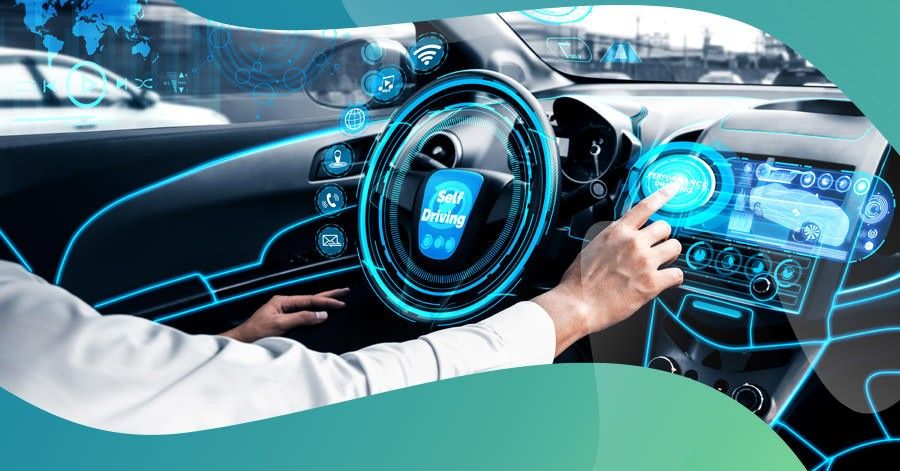
The automotive industry has always been at the forefront of innovation, but today, the pace of change is nothing short of revolutionary. With the arrival of futuristic vehicle tech, the way we think about cars and mobility is being completely transformed. From smarter cars to greener transportation solutions, the future is packed with nextgen auto technology that promises to reshape every aspect of driving. Let’s take a look at the key trends and advancements driving this transformation.
1. Autonomous Vehicles: The Road Ahead
One of the most exciting developments in the automotive world is the rise of autonomous vehicles. While self-driving cars are still in the experimental phase for most manufacturers, they are expected to revolutionize the way we commute, travel, and even live. Advanced car systems, such as machine learning, sensors, and real-time data analysis, are making autonomous driving safer and more reliable every day.
These vehicles use complex algorithms to navigate streets, detect obstacles, and make decisions, all without human intervention. Over the next decade, we can expect nextgen auto technology to refine these systems, allowing for fully autonomous vehicles to become commonplace. Imagine a world where your car drives you to work while you relax with a cup of coffee, or even take a nap. It’s not science fiction—it’s the future of mobility.
2. Electric Vehicles: Powering the Future
Electric vehicles (EVs) are another cornerstone of the automotive industry’s future. Futuristic vehicle tech is evolving rapidly, and with it, the development of EVs that offer longer ranges, faster charging times, and more efficient energy use. What was once seen as a niche market is now rapidly expanding, with major automakers releasing electric models across all segments.
Battery technology is at the heart of this shift. As advanced car systems improve, batteries are becoming lighter, more powerful, and longer-lasting. This means that future electric cars will not only be environmentally friendly but also practical for long road trips and everyday use. With governments pushing for more sustainable transportation, the future of mobility is leaning heavily toward electric power.
3. Vehicle-to-Everything (V2X) Communication
One of the most exciting developments in automotive technology is the rise of Vehicle-to-Everything (V2X) communication. This technology allows cars to communicate with each other, with traffic lights, and even with infrastructure like smart roads. Imagine your car receiving a signal from a traffic light that it’s about to turn red, allowing it to slow down in anticipation. Or consider the potential for reducing traffic accidents, as vehicles can warn each other about nearby hazards.
Nextgen auto technology will continue to enhance these systems, making roads safer and driving more efficient. By integrating smart infrastructure with in-car communication, we can create a seamless flow of information that benefits both individual drivers and the community as a whole.
4. Augmented Reality Dashboards
Imagine driving down the road and seeing all the information you need without having to glance away from the road. Advanced car systems like augmented reality dashboards are bringing this futuristic scenario to life. These dashboards project important information, such as speed, navigation, and traffic alerts, directly onto the windshield. This technology not only enhances convenience but also improves safety, as drivers don’t need to take their eyes off the road to check their speed or directions.
As futuristic vehicle tech continues to evolve, these systems will become more advanced, offering even more intuitive and dynamic ways to interact with your car. Imagine your car’s dashboard adjusting based on your preferences, or displaying real-time traffic updates as you drive.
5. Sustainable Manufacturing & Materials
The automotive industry is also focusing on making vehicles more sustainable. Futuristic vehicle tech extends beyond just the vehicle’s power source—it also encompasses how cars are made. Lightweight, sustainable materials such as carbon fiber, aluminum, and even recycled plastics are being integrated into car manufacturing, reducing weight and increasing fuel efficiency.
Moreover, advanced car systems are enabling manufacturers to create parts that are easier to recycle and less harmful to the environment. As sustainability becomes more important to consumers and regulators, automakers are striving to create greener, more efficient vehicles that are also more affordable and accessible.
6. Smart Interiors: The Car as Your Personal Space
The future of automotive technology isn’t just about performance—it’s also about creating a more personalized and comfortable experience for the driver and passengers. Nextgen auto technology is already paving the way for smart interiors, where your car will learn your preferences and adjust accordingly.
Imagine entering your car and having the seat, temperature, and even the music automatically adjust to your liking. Smart displays and voice-activated assistants will be standard features, allowing you to control every aspect of your vehicle with ease. With the rise of connectivity, your car may even be able to anticipate your needs, offering suggestions for routes, food stops, or entertainment based on your habits and preferences.
7. Connected Cars and the Internet of Things (IoT)
The nextgen auto technology revolution isn’t complete without the integration of connected cars. These vehicles are part of the broader Internet of Things (IoT), where everything—from home appliances to wearable devices—is interconnected. In the automotive world, this means that your car will communicate with other smart devices, such as your smartphone, home assistant, and even your smart home systems.
This connectivity will allow for real-time updates, remote diagnostics, and even the ability to unlock and start your car from your smartphone. Advanced car systems will use data from your driving habits to suggest optimal routes, send maintenance alerts, and even help you find the best parking spots.
8. The Future of Mobility Trends
In addition to the development of smarter cars, future mobility trends will also revolutionize the way we travel. Car-sharing services, on-demand transportation, and even flying cars are all part of the future. With the rise of shared mobility services, people are starting to rethink car ownership. Instead of owning a car, you could soon opt to rent a vehicle when you need it, reducing the overall number of vehicles on the road and decreasing traffic congestion.
Meanwhile, innovations like flying taxis and Hyperloop technology are changing the landscape of transportation, promising faster, more efficient ways to travel over long distances.
The automotive industry is undergoing a monumental shift, and the future promises to be nothing short of exciting. From futuristic vehicle tech that powers electric and autonomous cars to advanced car systems that make driving safer and more enjoyable, the innovations happening today will transform the way we travel for years to come. As nextgen auto technology continues to evolve, the future of mobility will be more sustainable, connected, and efficient than ever before. Get ready for a driving experience that’s smarter, faster, and more personalized than anything we’ve ever imagined.